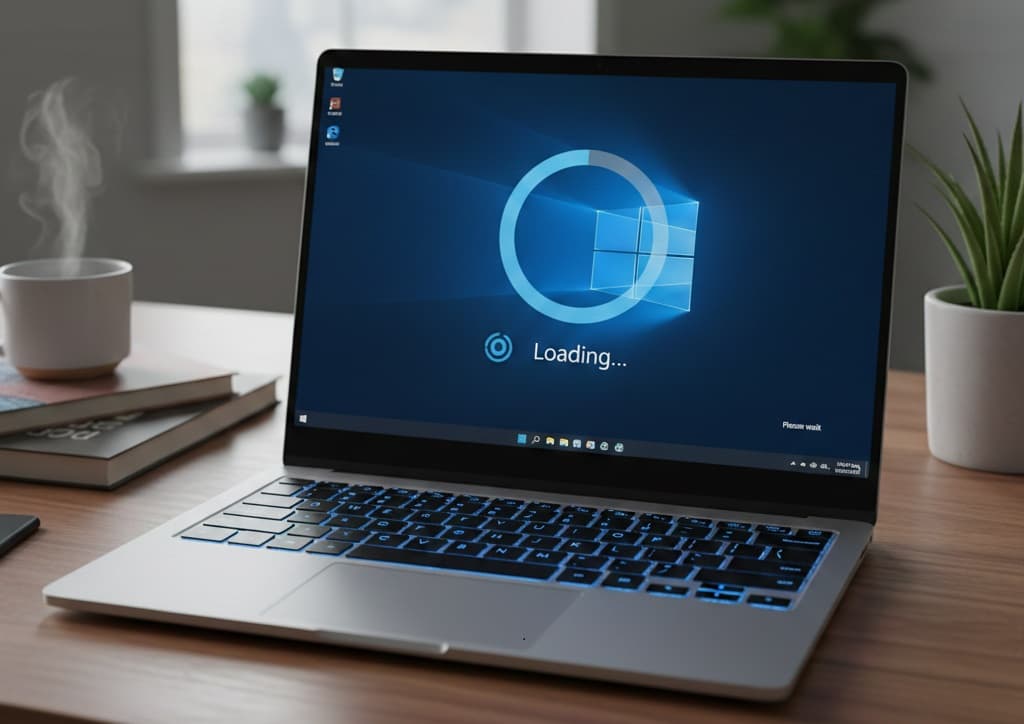
Have you noticed that your computer is not as fast as it was when you first bought it? Programs take longer to open, startup becomes slower, and simple tasks may feel frustrating. Many people think an old computer must be replaced, but that is not always true.
Over time, computers naturally slow down because of software updates, aging hardware, accumulated files, and daily wear and tear. Understanding the reasons behind this slowdown can help you improve your computer's performance and extend its lifespan.
we'll explain why computers become slow after years of use, the warning signs to look for, and the best ways to restore their performance.
What Problem Is the Customer Facing?
A slow computer can affect productivity, whether you're working, studying, gaming, or browsing the internet.
Common problems include:
- The computer takes a long time to start.
- Applications open slowly.
- Files take longer to load.
- The system freezes or becomes unresponsive.
- Internet browsing feels slow.
- Programs crash unexpectedly.
- The computer overheats during normal use.
- Multitasking becomes difficult.
These problems often become more noticeable as the computer gets older.
Why Does It Happen?
Root Causes of the Problem
Several factors contribute to a computer becoming slower over time.
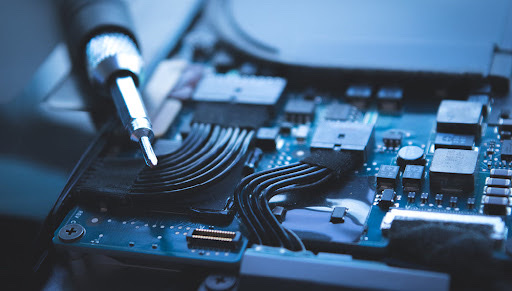
1. Aging Hardware: Computer components naturally wear out with continuous use. Older hard drives, cooling fans, and other hardware may not perform as efficiently as they once did.
2. Low Storage Space: As more files, applications, and updates accumulate, available storage decreases. A nearly full drive can significantly reduce system performance.
3. Too Many Startup Programs: Many applications automatically start when the computer boots, increasing startup time and using valuable system resources.
4. Outdated Hard Drive (HDD): Many older computers still use traditional hard disk drives (HDDs), which are much slower than modern solid-state drives (SSDs).
5. Insufficient RAM: Modern software requires more memory than older computers were designed to handle. Limited RAM can slow down multitasking and overall performance.
6. Dust and Overheating: Dust inside the computer blocks airflow, causing overheating. When components become too hot, the system automatically reduces performance to protect itself.
7. Malware and Viruses: Malicious software can consume system resources, slow performance, and compromise your personal data.
8. Outdated Software and Drivers: Old drivers and operating systems may not work efficiently with modern applications, causing slow performance and compatibility issues.
Symptoms
How Can You Identify the Issue?
Your computer may be slowing down if you notice:
- Slow startup and shutdown.
- Programs taking longer to open.
- Frequent freezing or lagging.
- High CPU or disk usage.
- Constant fan noise.
- Delayed response when clicking or typing
- Slow file transfers.
- Blue screen errors or unexpected restarts.
If these problems occur regularly, your computer may need maintenance or hardware upgrades.
Solutions
How Can You Improve Computer Performance?
Fortunately, many performance problems can be resolved without replacing your computer.
Here are some effective solutions:
- Delete unnecessary files and applications.
- Free up storage space.
- Disable unnecessary startup programs.
- Keep Windows and software updated.
- Update device drivers.
- Run a trusted antivirus scan.
- Clean dust from the cooling system.
- Upgrade from an HDD to an SSD for faster performance.
- Increase RAM for better multitasking.
- Schedule regular computer maintenance.
These simple improvements can significantly extend the life of your computer.
Why Choose Guru Computer Solution?
At Guru Computer Solution, we provide professional computer repair, maintenance, and upgrade services to restore your computer's performance.
Our services include:
- Computer performance optimization
- SSD upgrades
- RAM upgrades
- Virus and malware removal
- Windows installation and troubleshooting
- Hardware diagnostics
- Internal cleaning and dust removal
- Data backup and recovery
- Desktop and laptop repair
Our experienced technicians carefully diagnose the root cause of performance issues and provide reliable, cost-effective solutions.
Conclusion
A computer becoming slow after years of use is completely normal, but it doesn't always mean you need to buy a new one. In many cases, the problem can be solved through proper maintenance, software optimization, or affordable hardware upgrades.
Regular cleaning, keeping your system updated, removing unnecessary files, and upgrading components such as an SSD or RAM can make a significant difference.
If your computer is becoming slow and affecting your daily work, Guru Computer Solution is here to help. Our expert technicians provide professional diagnostics, upgrades, and repair services to restore your computer's speed, improve performance, and extend its lifespan.